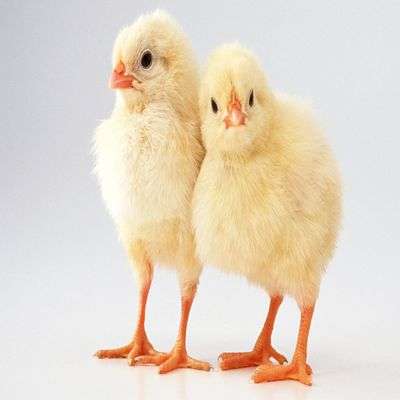
The Day Old White Cockerel | 1 Carton is a robust poultry breed valued for its meat production and adaptability. These cockerels grow slower than broilers but are hardy and economical to rear, making them a great option for smallholder farmers and large-scale producers. Key Features of the Day Old White Cockerel | 1 Carton: Breed Known for strong adaptability and good meat yield. Hardy and disease-resistant, suitable for diverse rearing systems. Purpose Primarily used for meat production. Can also serve as backyard layers in mixed farming setups. Carton Capacity A carton contains 50 day-old chicks. Performance Slower growth rate than broilers but better feed efficiency. Expected live weight: 1.5–2 kg in 10–14 weeks with proper feeding. Appearance Characterized by white plumage, which enhances their heat resistance and appeal in some markets. Benefits of the Day Old White Cockerel | 1 Carton: Low Maintenance Requires moderate feeding and care, making it economical. Hardiness Adaptable to free-range, semi-intensive, or deep-litter systems. Economic Advantage Offers a high-quality meat option at lower production costs compared to broilers. Environmentally Friendly Suitable for organic or sustainable farming practices. Feeding Guide: Starter Phase (0–4 weeks) Feed high-quality chick starter feed with 20–22% protein. Grower Phase (5–12 weeks) Transition to grower feed with 16–18% protein. Water and Supplements Provide constant access to clean water and add vitamins and minerals to support immunity and growth. Housing Requirements: Brooding: Maintain a temperature of 32–35°C in the first week, gradually reducing to ambient levels. Space Requirement: Starter Phase: 10 chicks per square foot. Grower Phase: ~2–3 birds per square foot. Ventilation: Ensure proper airflow without exposing chicks to drafts. Carton Details of Day Old White Cockerel | 1 Carton: Feature Specification Number of Chicks 50 chicks per carton Weight/Carton ~5–7 kg Vaccination Status Usually vaccinated for Marek’s and Newcastle diseases Transport Conditions Handle with care; prepare brooder before arrival Care on Arrival: Brooder Preparation Set up a clean, warm brooder with proper lighting and bedding before chicks arrive. Hydration Provide glucose-enriched water immediately to rehydrate and energize the chicks. Observation Check for any weak or stressed chicks and monitor feeding behavior. Applications: Meat Production Ideal for farmers focusing on cost-effective meat production. Dual Purpose Can also lay small eggs in backyard setups, though not as prolific as layers. Free-Range Systems Thrives in outdoor environments with natural feeding options. Ideal ForL Smallholder farmers looking for hardy and low-maintenance poultry. Commercial farmers aiming to diversify their poultry operations. Organic and free-range systems for sustainable farming. Each carton typically contains 50 day-old cockerels packed securely for safe transport. This ensures minimal stress and injury during shipping.